Fintech — demo trading platform with gamified tournaments · 2024
MerriTrade
Designing a recurring engagement loop for a demo-trading platform with real-prize tournaments.
- Client
- Stradex Vietnam (owned product)
- Role
- UI/UX Designer
- Outcome
- 17,000 subscribed users · 96% tournament completion rate
Context
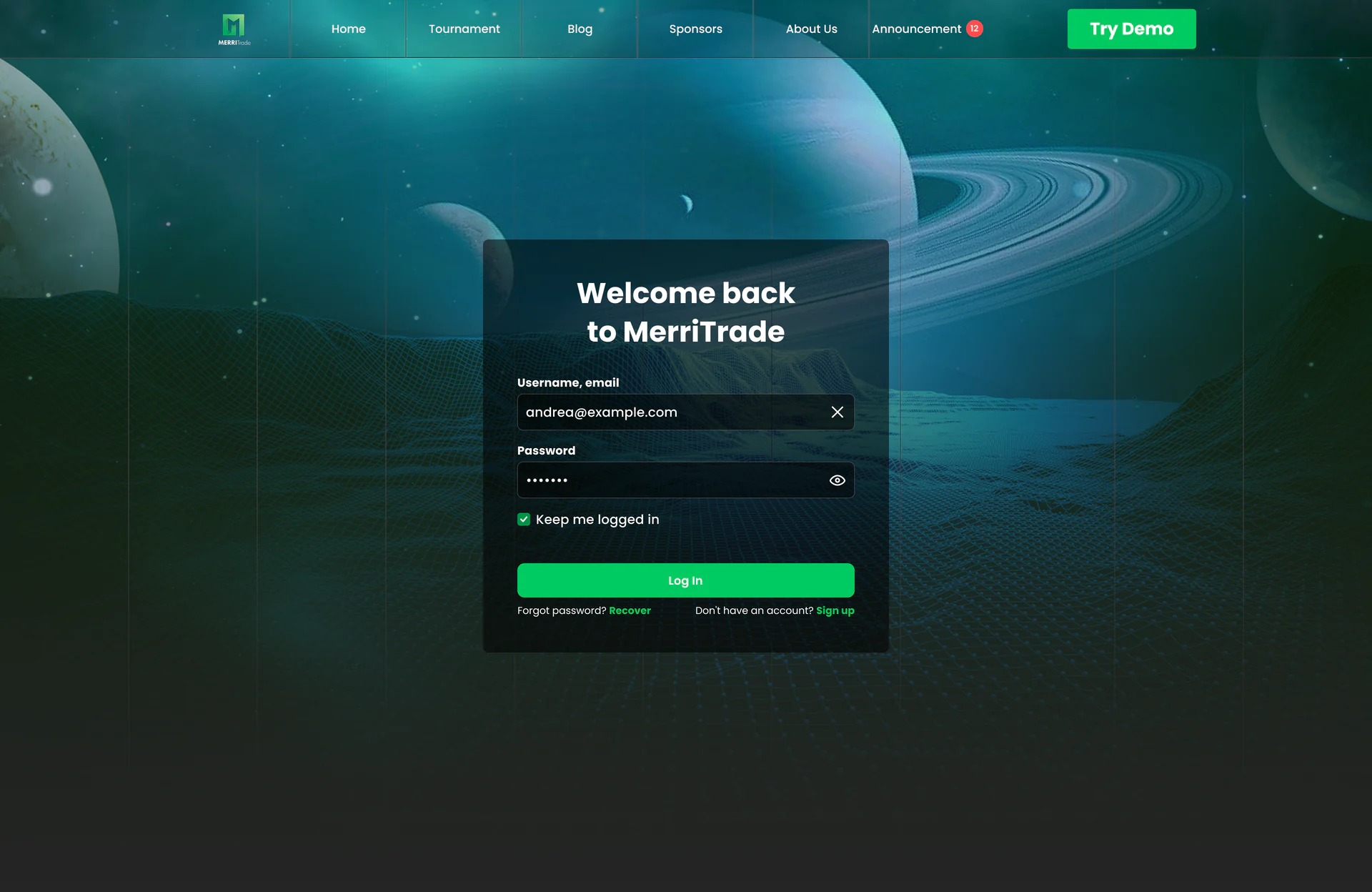
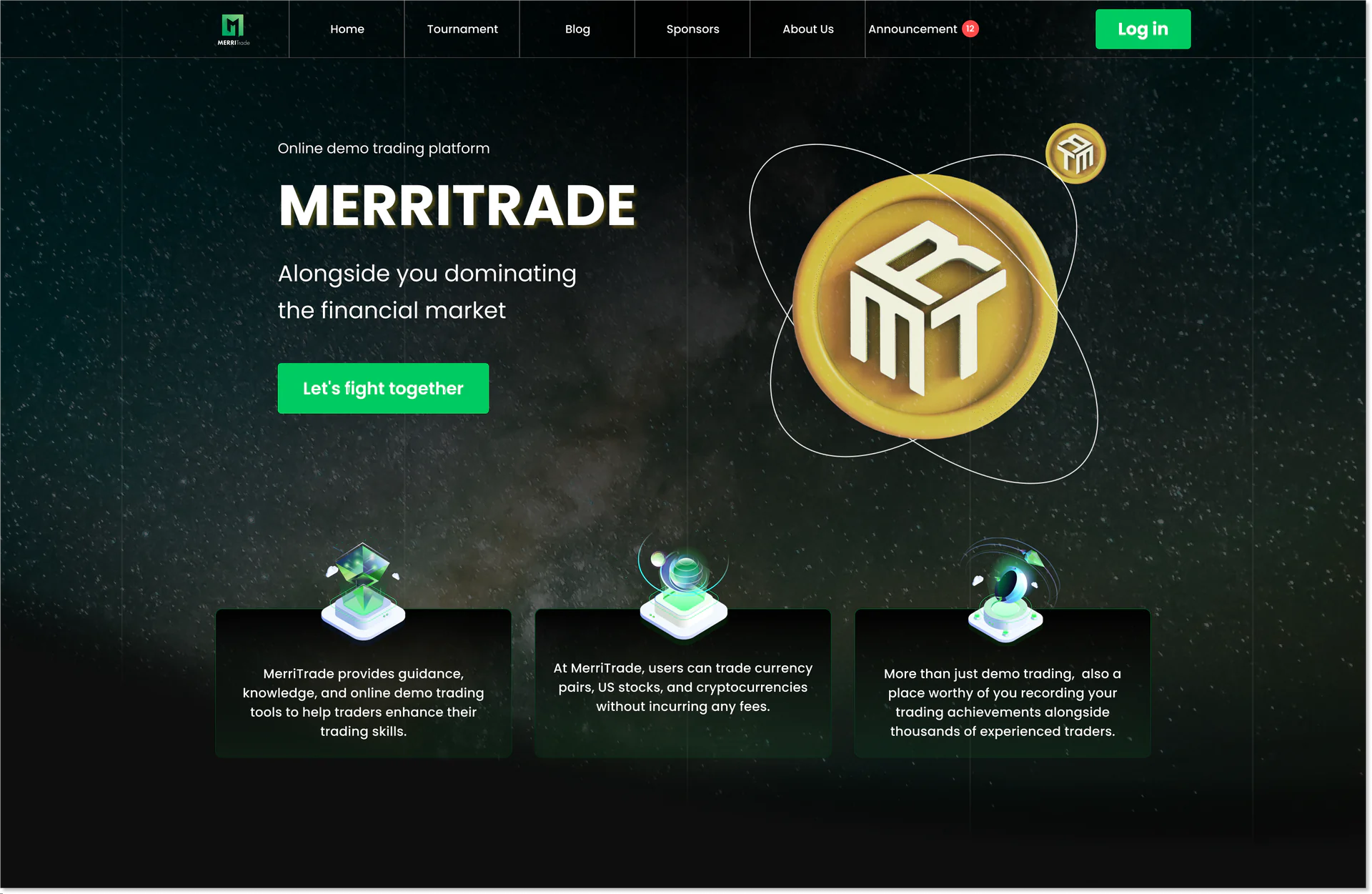
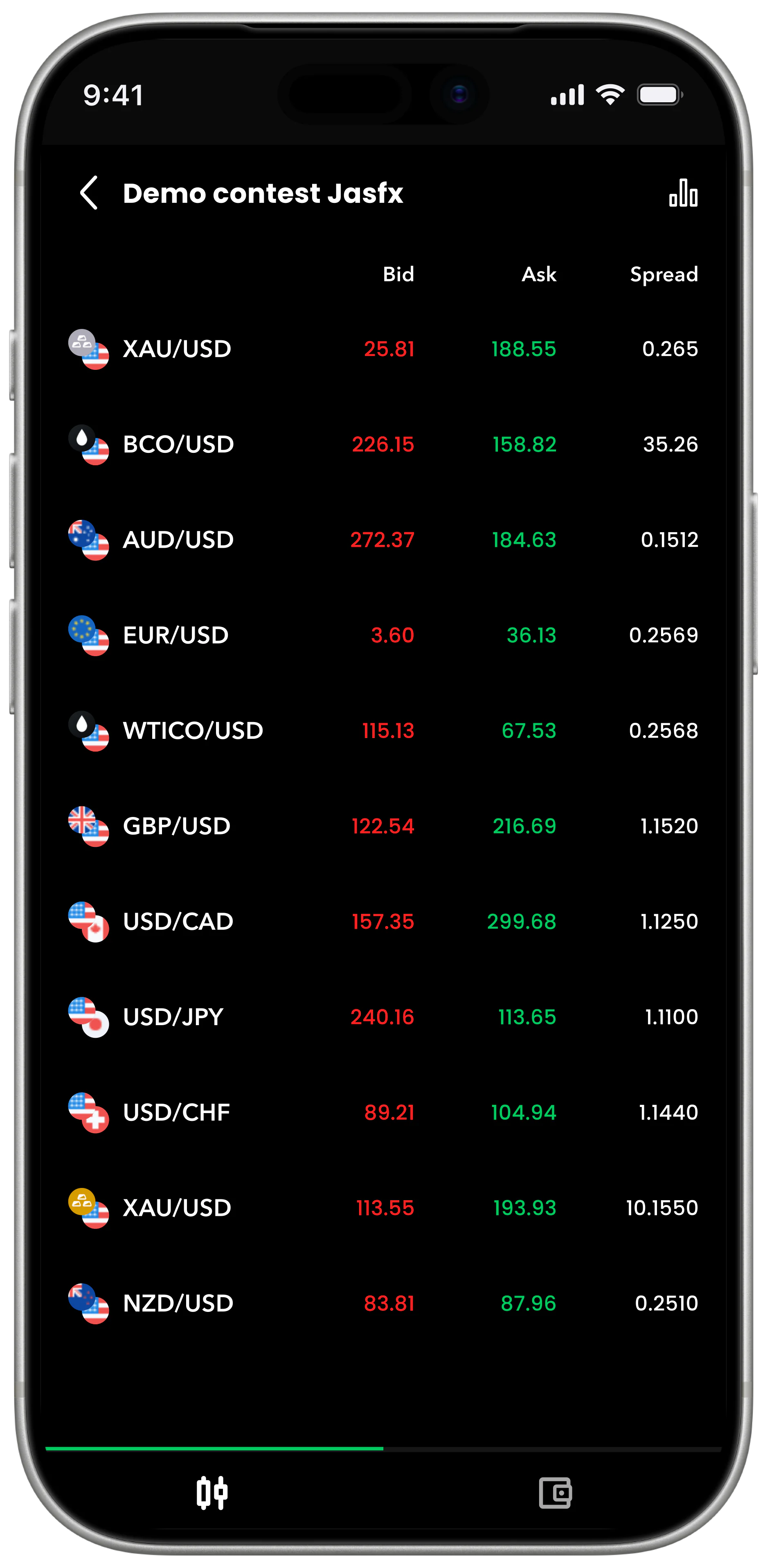
MerriTrade was Stradex's mobile and web demo-trading product for the Vietnamese market. Users practised stocks, crypto, forex, and NFT trading with virtual capital, then entered tournaments offering real prizes.
I owned the consumer-facing UI/UX end to end as the sole/lead Product Designer. The work combined redesigning an inherited platform with new tournament and token features. With no in-house engineering team, specifications and design handoff went to external development partners.
Loop
Demo trading alone gave users little reason to return. Real-prize tournaments only created value if participants could understand the contest, trade through it, and finish. The product therefore needed more than a registration funnel; it needed a repeatable path through competition and back into the next event.
Demo trading plus real prizes only works if users finish what they start.
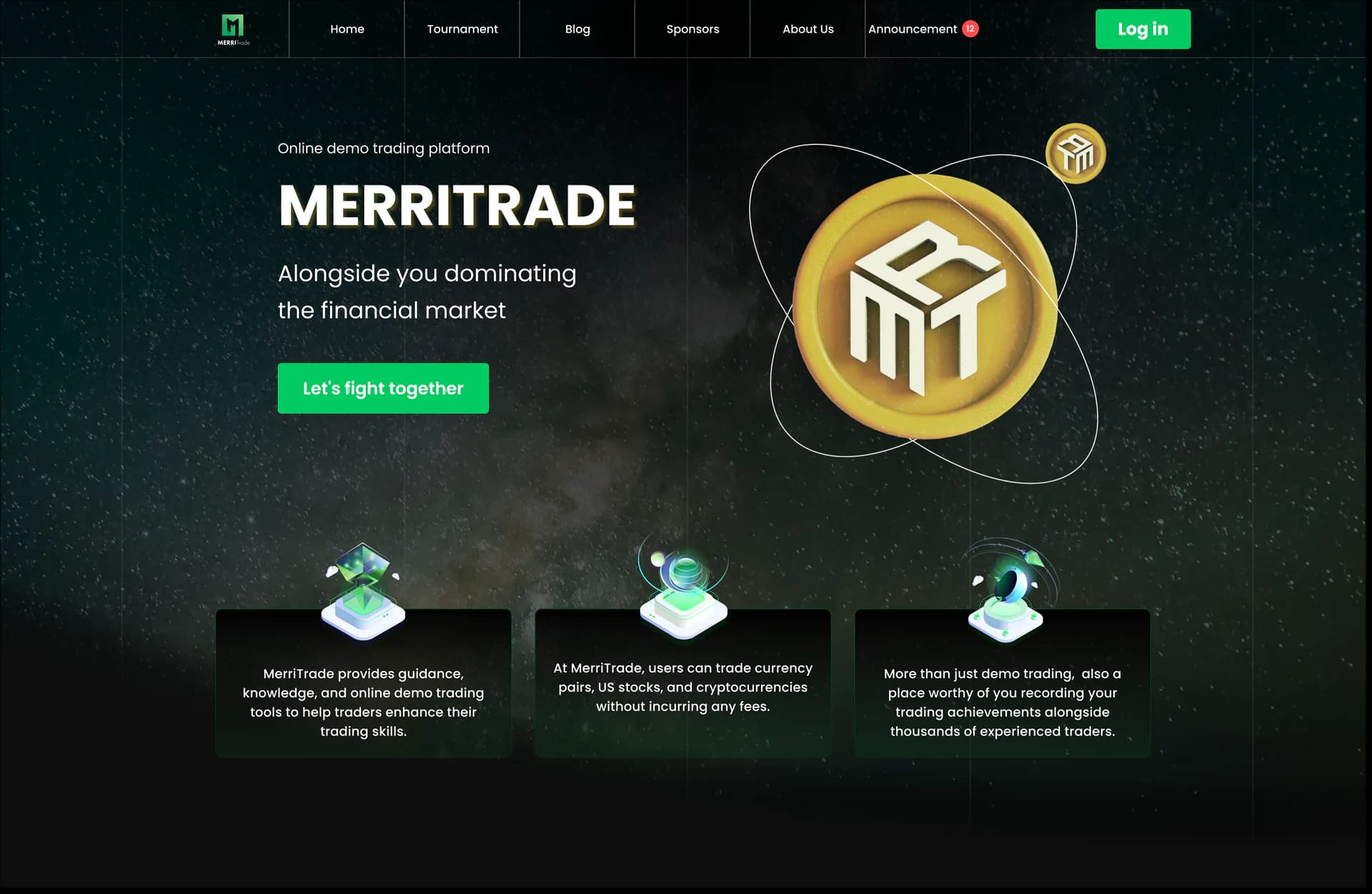
I organised the experience around a recurring loop: browse tournaments, understand the rules, register, participate, follow ranking and results, then discover the next tournament. Each supporting feature had to strengthen that loop rather than compete with it.
Decisions
Make the tournament journey the engagement spine
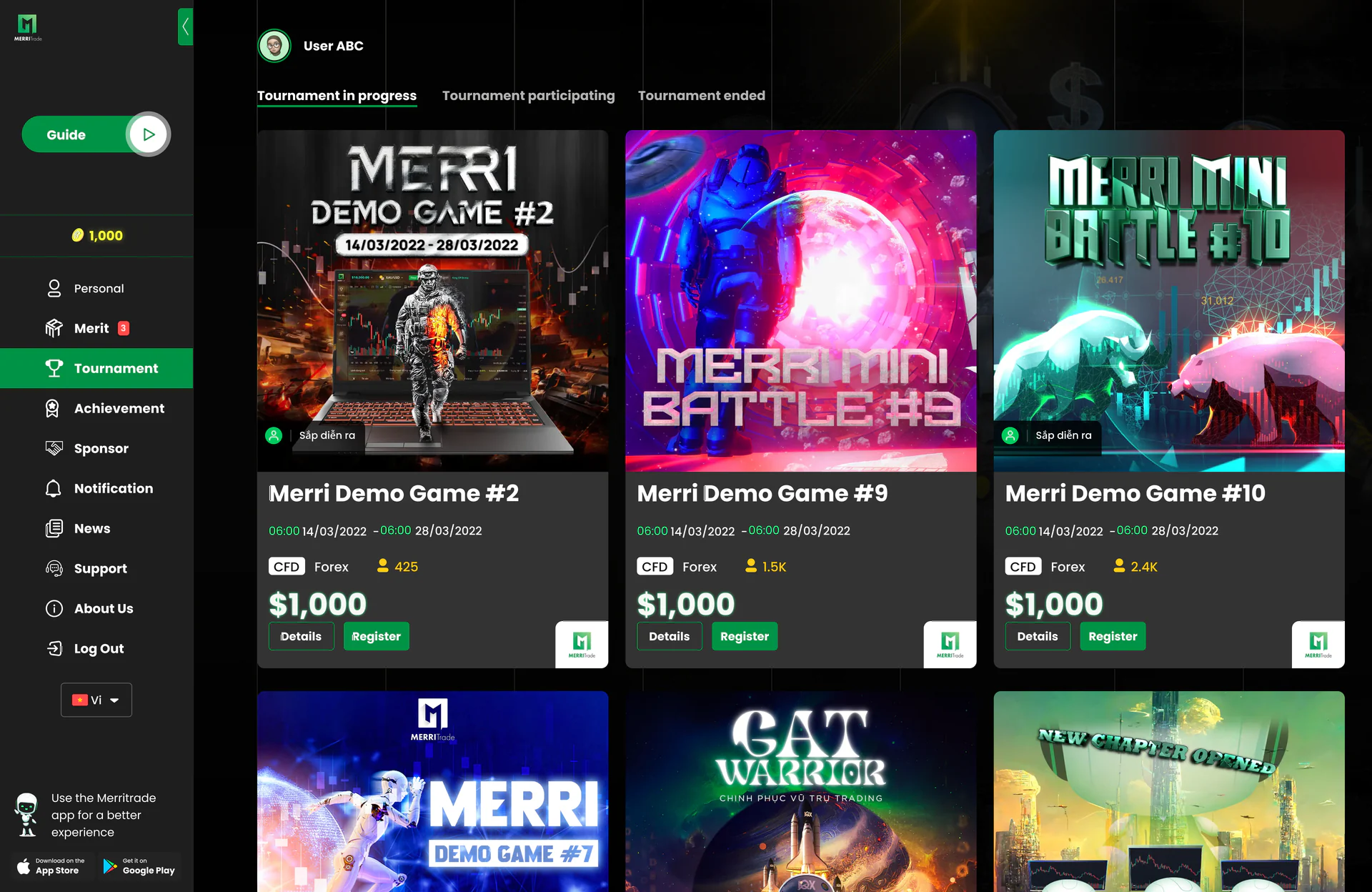
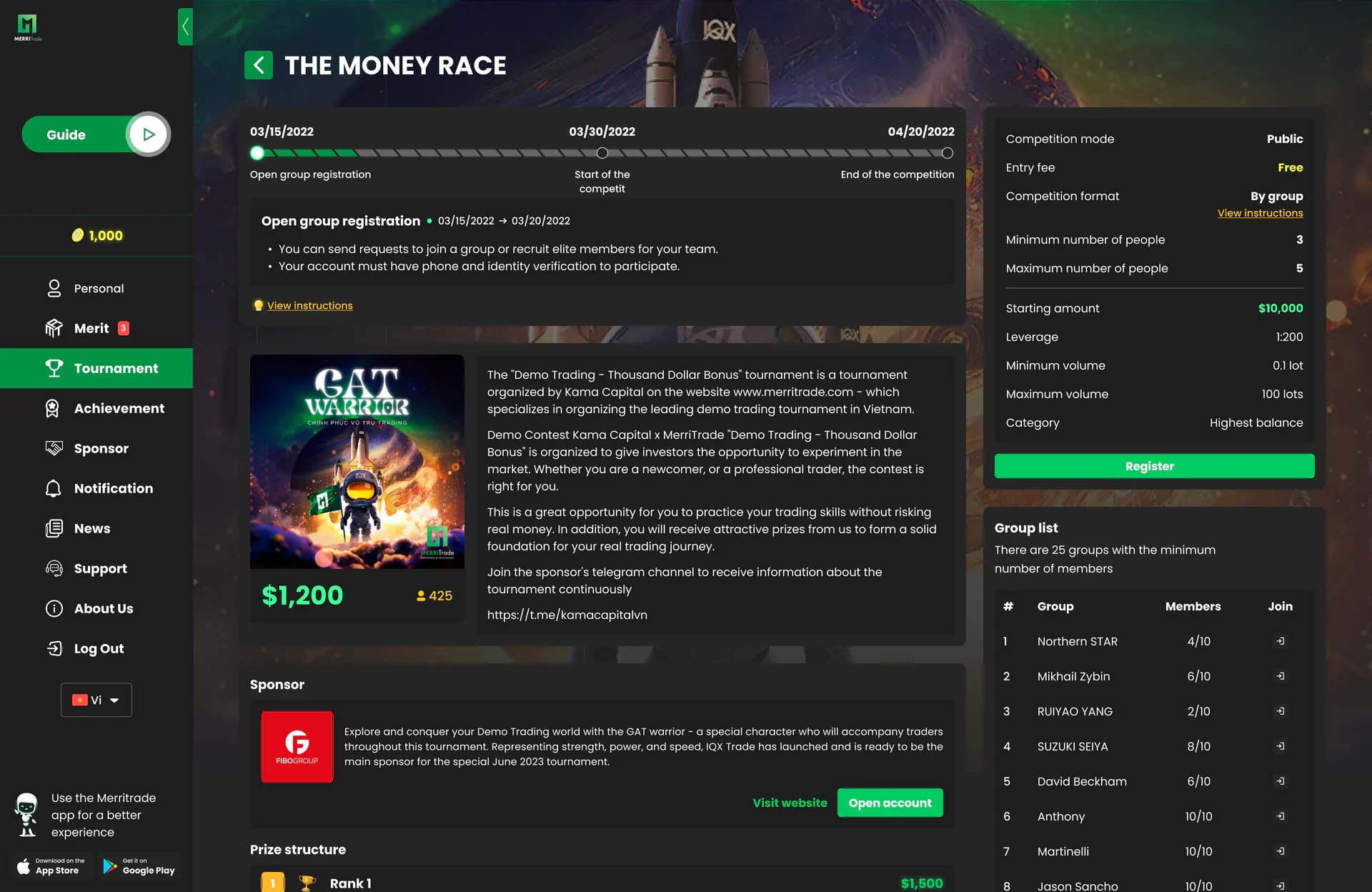
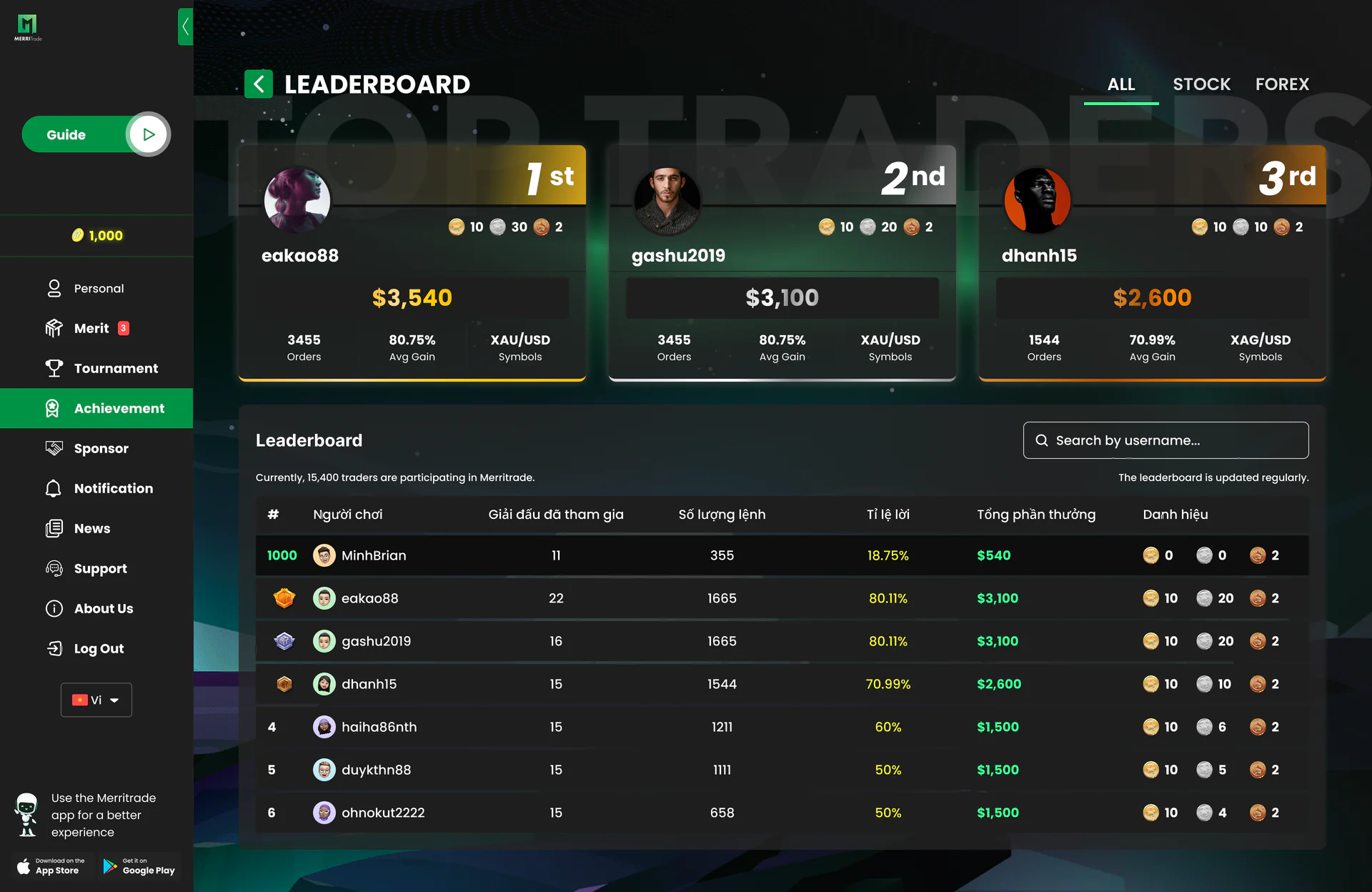
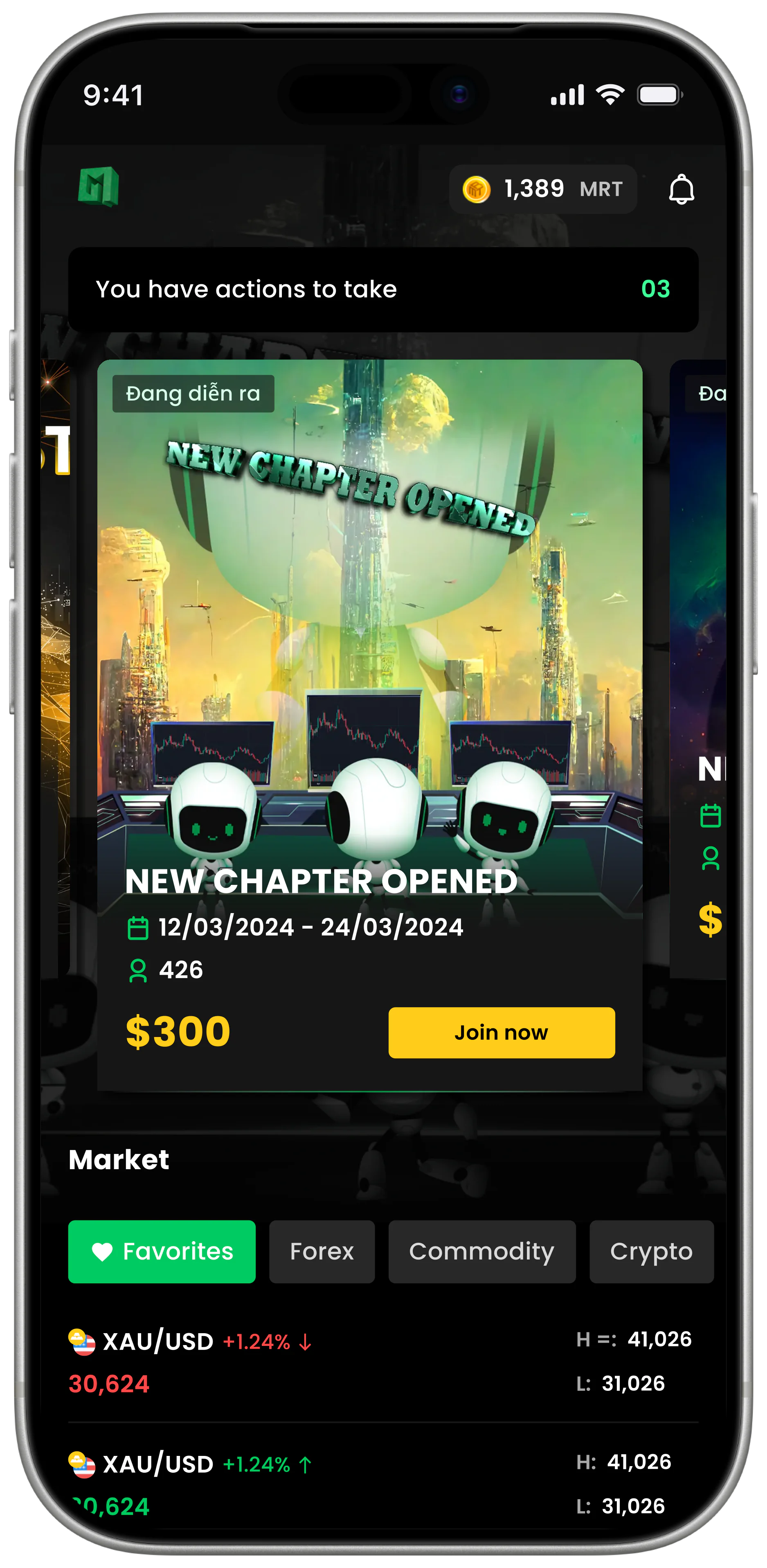
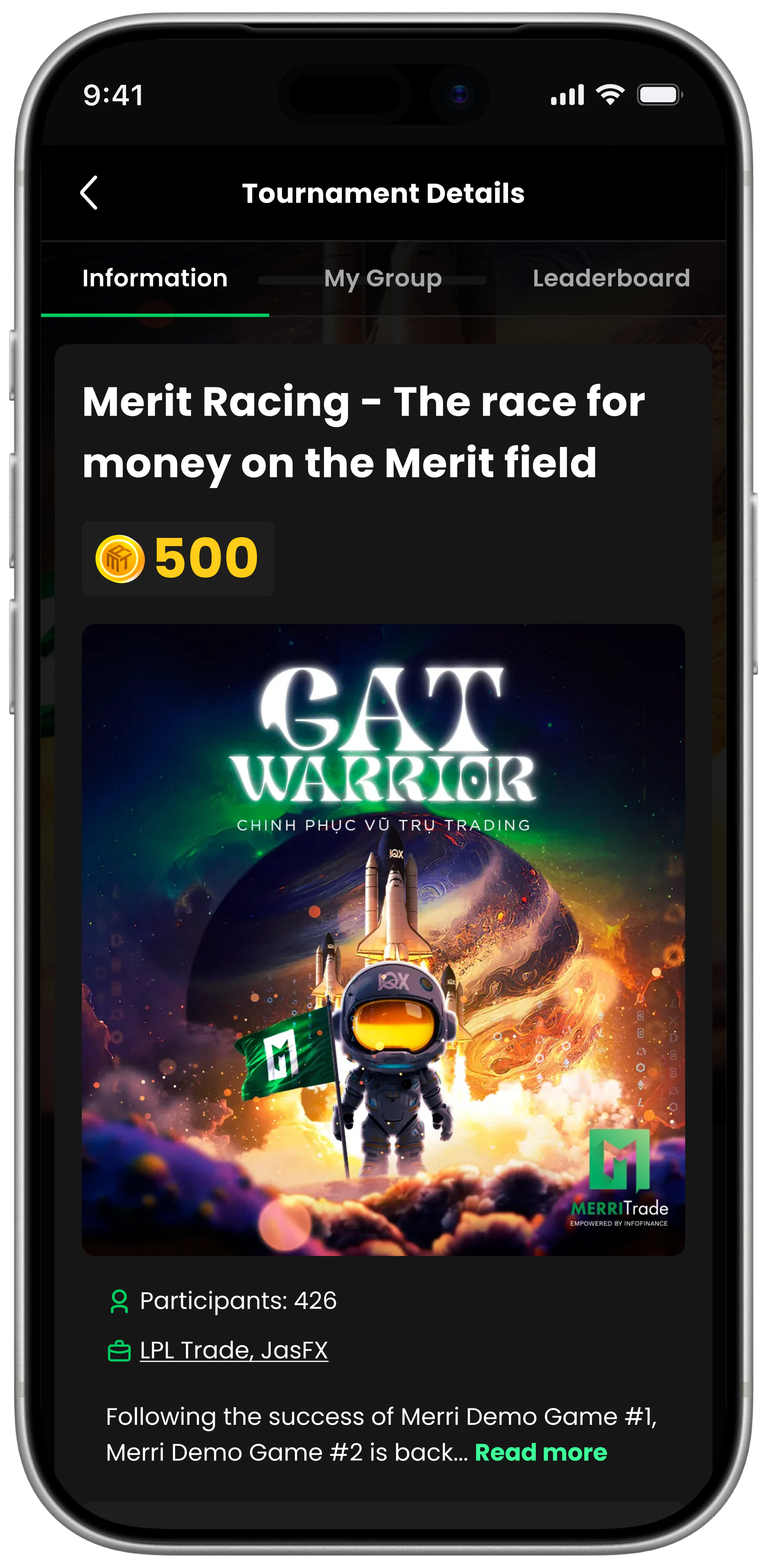
I designed the path from browsing and detail through registration, live participation, leaderboard, and results. Individual, team, and asset-specific formats created different ways to participate while preserving the same underlying journey.
Multiple formats added configuration and maintenance, but gave the product reusable competition structures. Retention was not measured separately in this case study.
Keep dense trading data learnable
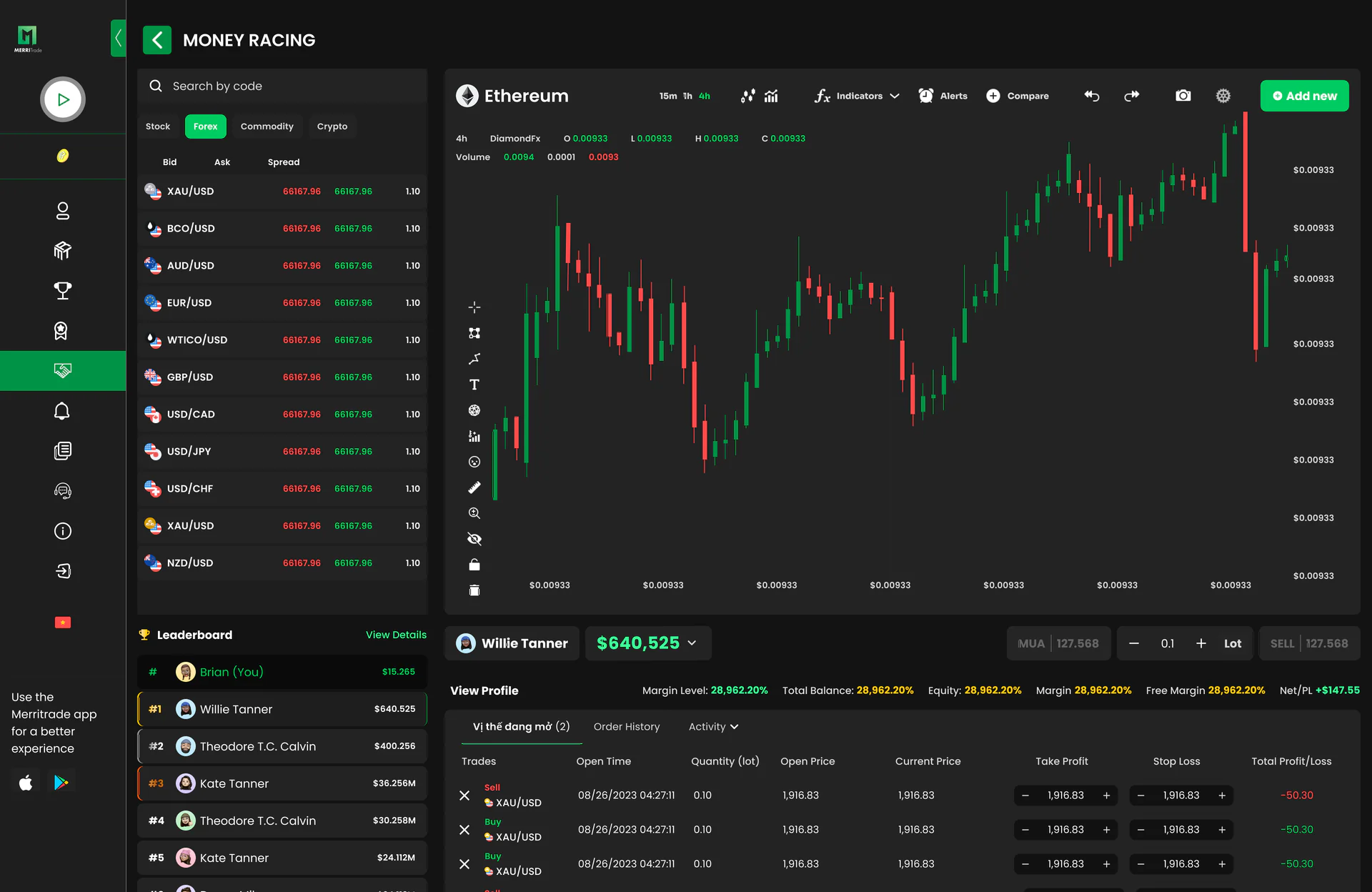
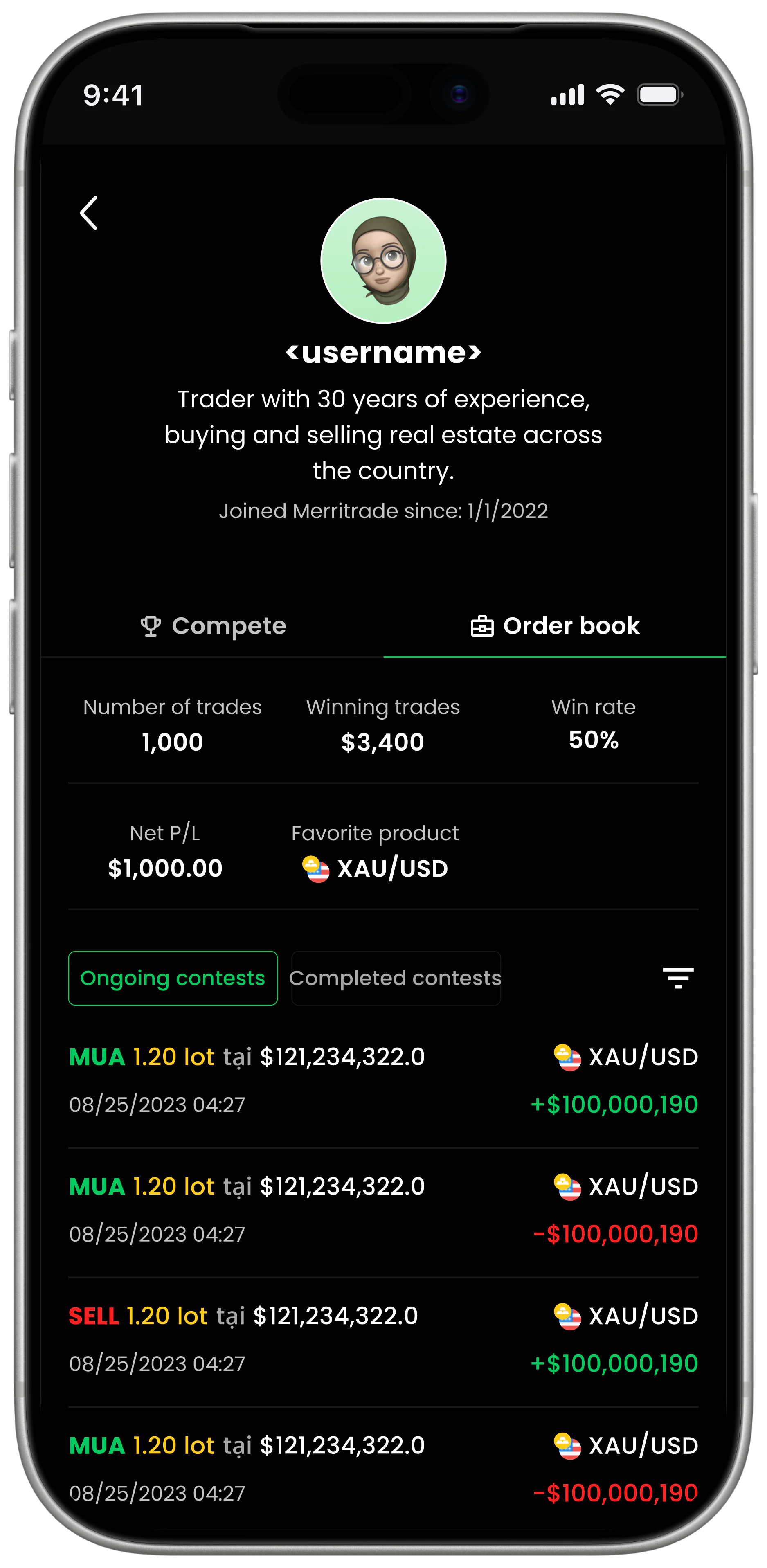
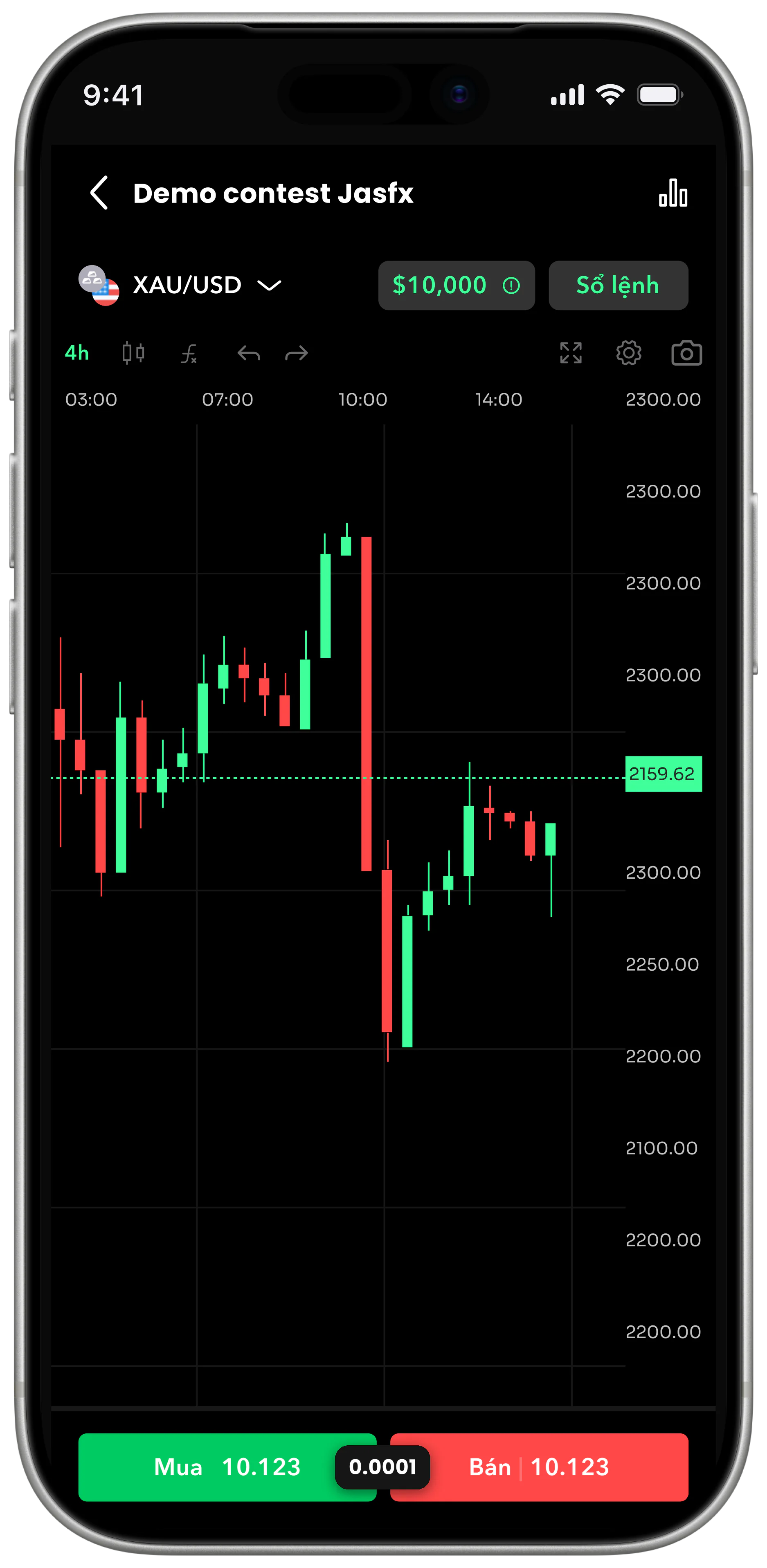
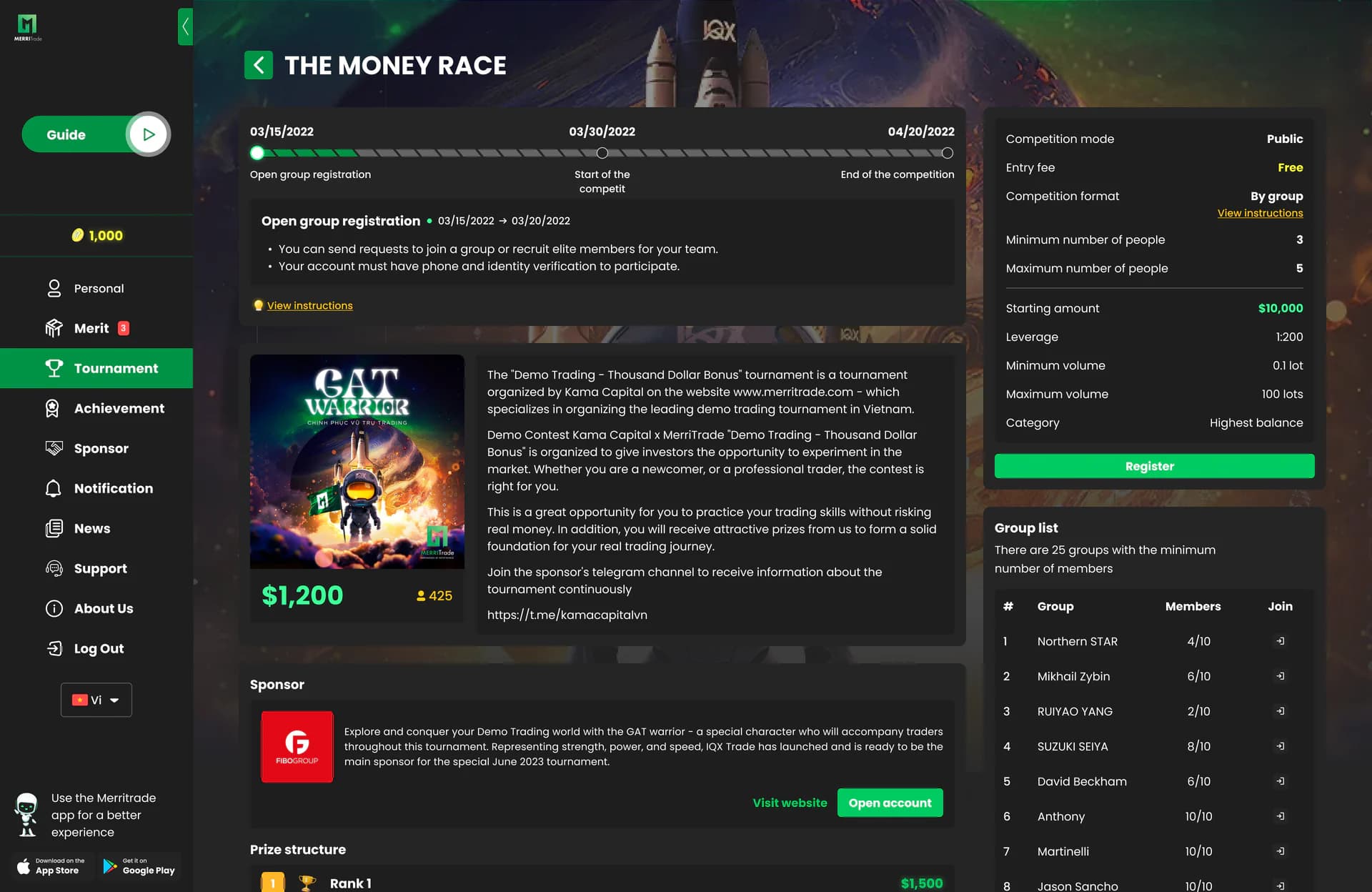
The live screen had to combine a candlestick chart, market selection, order entry, positions, profit and loss, ranking, and tournament state. I used hierarchy and progressive emphasis to keep the primary trading action legible for users who were still learning.
Tournament context added density, but removing it would disconnect each trade from the competition motivating it.
Feed token progression back into tournaments
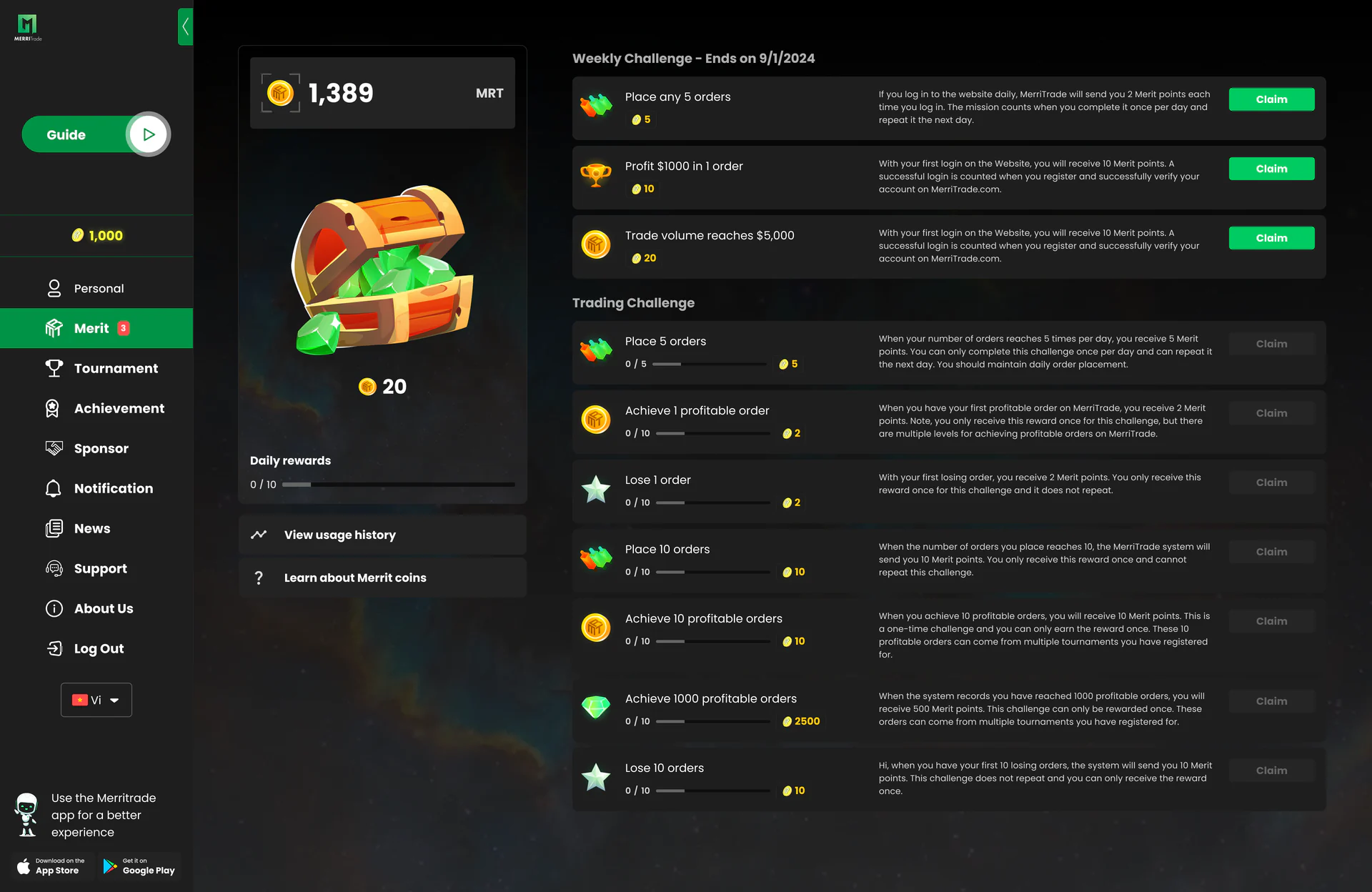
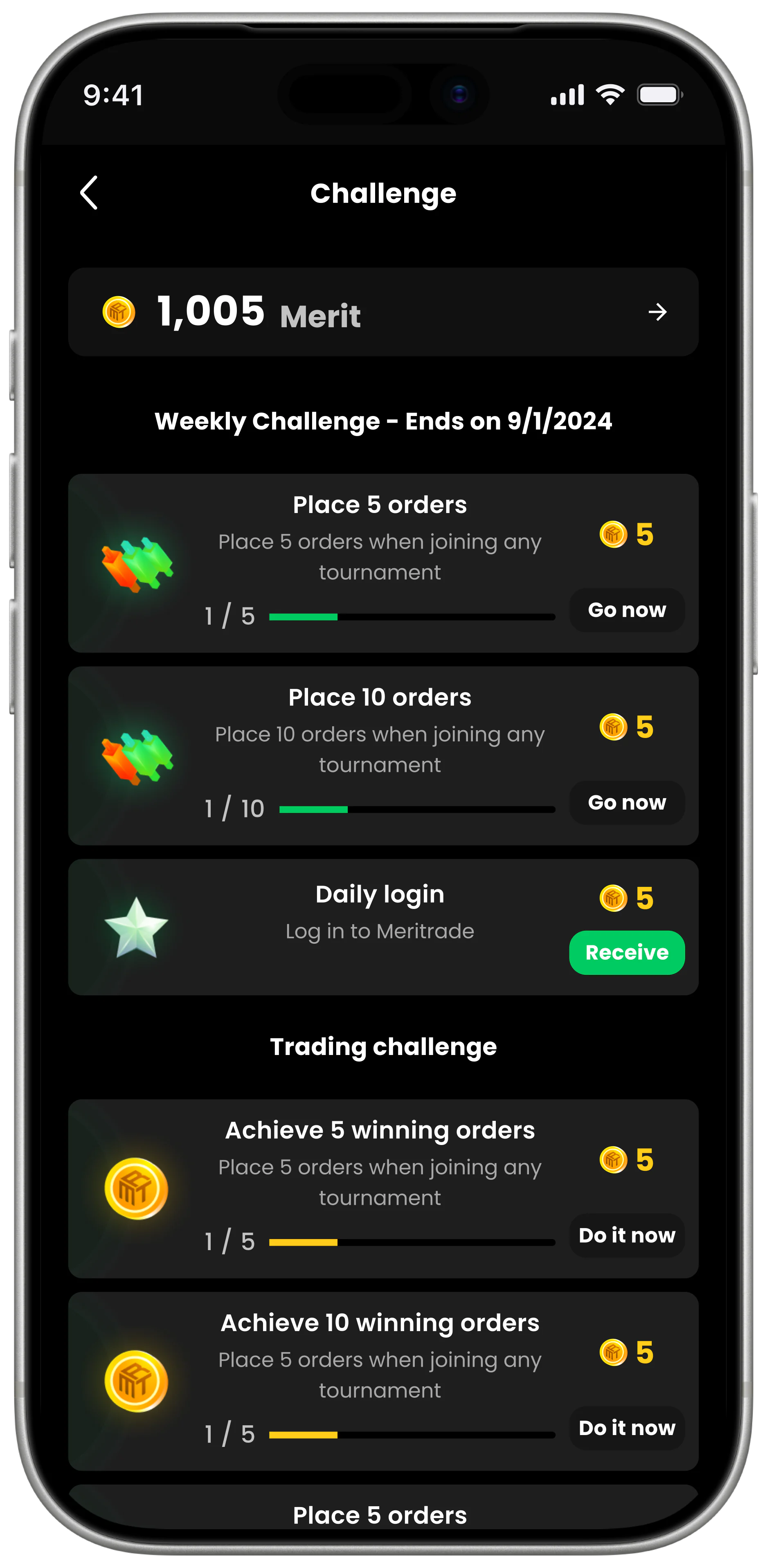
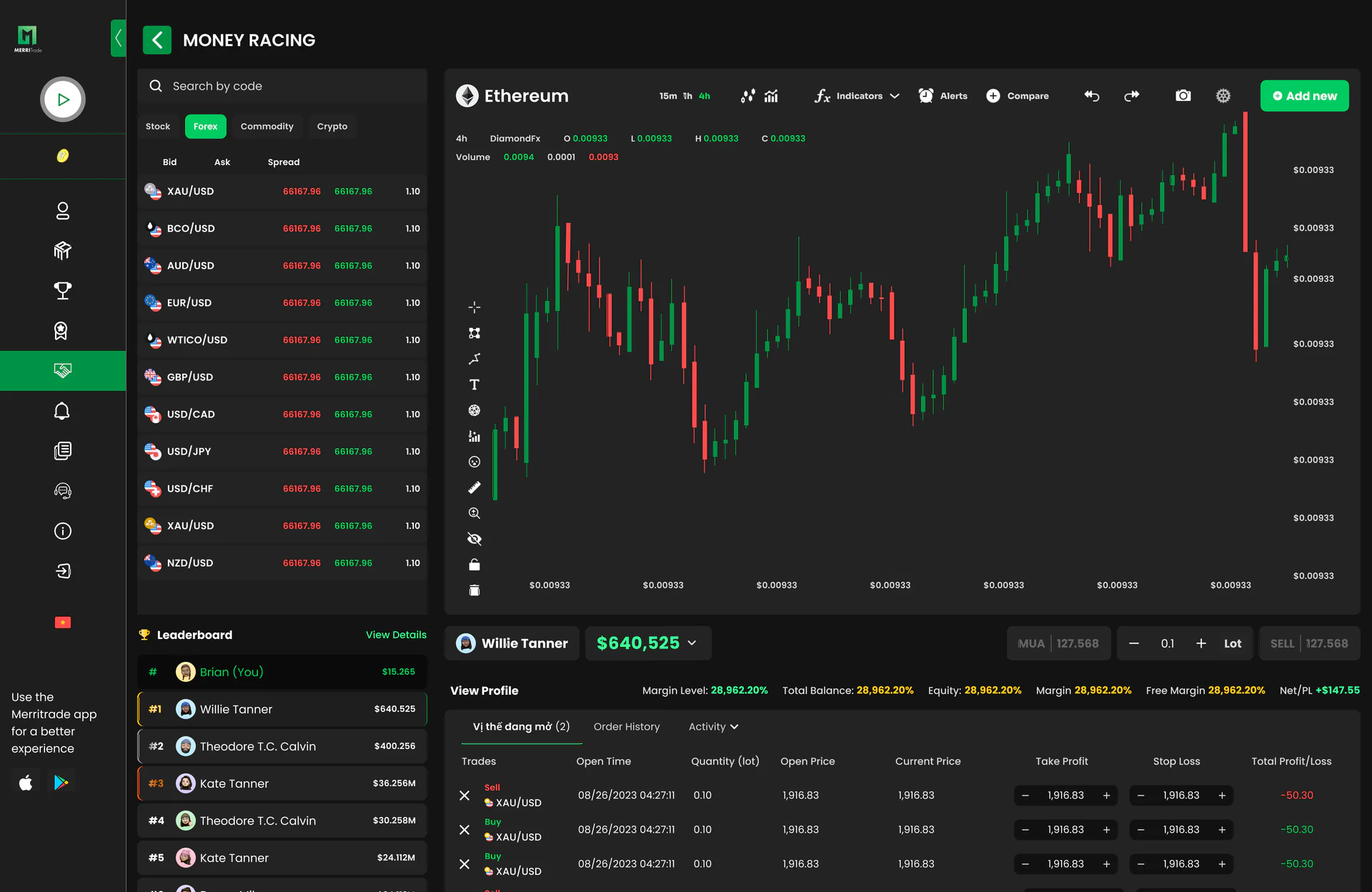
Users earned tokens through trading and participation, then used them for rewards or higher-tier tournament entry. Quest and mission flows made progress visible and connected activity between events to the next competition.
The economy introduced another concept to learn, so every earning path needed a clear destination rather than behaving like isolated points.

Step 01
Trade activity
Practice trading + tournament participation generates the activity that mints tokens.

Step 02
Earn tokens
Successful trades and contest entries credit tokens to the user — quest framing keeps it from feeling repetitive.

Step 04
Re-engage
New tournament unlocked → new round of trade activity. The loop closes back to step 01.

Step 03
Tournament entry · Rewards
Tokens redeem for higher-tier tournament entries or direct rewards. Tokens act like fuel, not points.
Validation
I designed the tournament journey, live trading experience, token system, and a dedicated MerriTrade design system in Figma across mobile and web. To validate the connected experience before public release, Stradex ran company-wide tournaments with employees participating under live contest conditions. These were internal playtests rather than a formal external usability study, but they exposed issues across registration, trading, ranking, and completion in one continuous flow.
Outcome
MerriTrade shipped to production and remained a flagship Stradex-owned product during my tenure. The metrics describe the product outcome, not a proven causal effect of an individual design decision. The 96% completion figure is the stronger behavioural signal because it measures participation through the end of a tournament rather than registration alone.